

Internova 18650 Batteries
High-drain rechargeable cells for the lights that have to stay ready.
2600 mAh · 3.7V · 500+ cycles
$ 12.99
$ 19.99
View
The brightest light is only useful if it turns on. Stock the rechargeable and alkaline power your lights depend on, then keep spares where outages, road trouble, and camp nights actually happen.

Rechargeable 18650 lithium-ion batteries built for flashlights, lanterns, headlamps, and other high-drain gear. Keep spare charged cells in your kit so the backup plan is not a drawer full of dead batteries.
High-drain rechargeable cells for the lights that have to stay ready.

A compact AA battery pack for topping off lanterns, headlamps, remotes, toys, and backup gear.
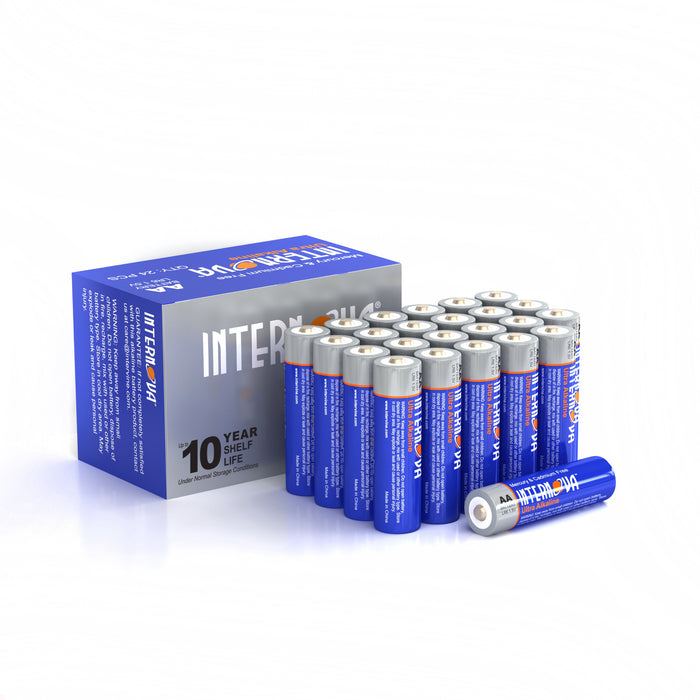
AA alkaline backup power for lanterns, headlamps, remotes, tools, and emergency kits.

AAA alkaline backup power for compact lights, remotes, sensors, and emergency drawers.

Battery readiness is simple: match the cells to your gear, store them together, and check them before storm season.
Keep the exact cell types your flashlights, lanterns, and headlamps use. Guessing during an outage wastes time.
Rechargeable cells are ideal for core gear you plan to use again and again.
Store a dedicated backup set so the batteries do not disappear into remotes, toys, or everyday drawers.
A quick seasonal check keeps corrosion, missing cells, and dead batteries from becoming the real emergency.
Add the spare power that keeps flashlights, lanterns, and headlamps ready after the first night.
Shop Home Readiness